Discover the Various Sorts Of Screen Printing Techniques for Your Next Task
Screen printing provides a varied range of techniques that can improve any innovative project. From standard approaches like serigraphy to contemporary innovations such as direct-to-garment printing, each technique has its unique benefits. Specialized choices, consisting of metal and green inks, introduce a lot more possibilities. Recognizing these methods can significantly affect the last outcome. Nevertheless, the obstacle depends on picking the most suitable technique for certain demands and desired effects. What variables should one consider?

The Basics of Screen Printing
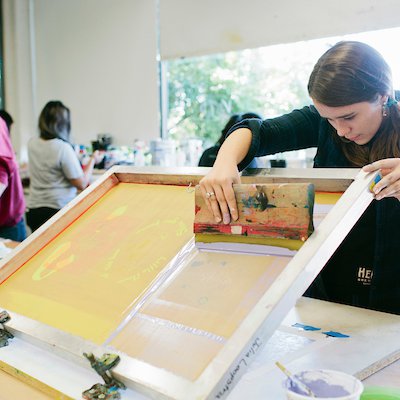
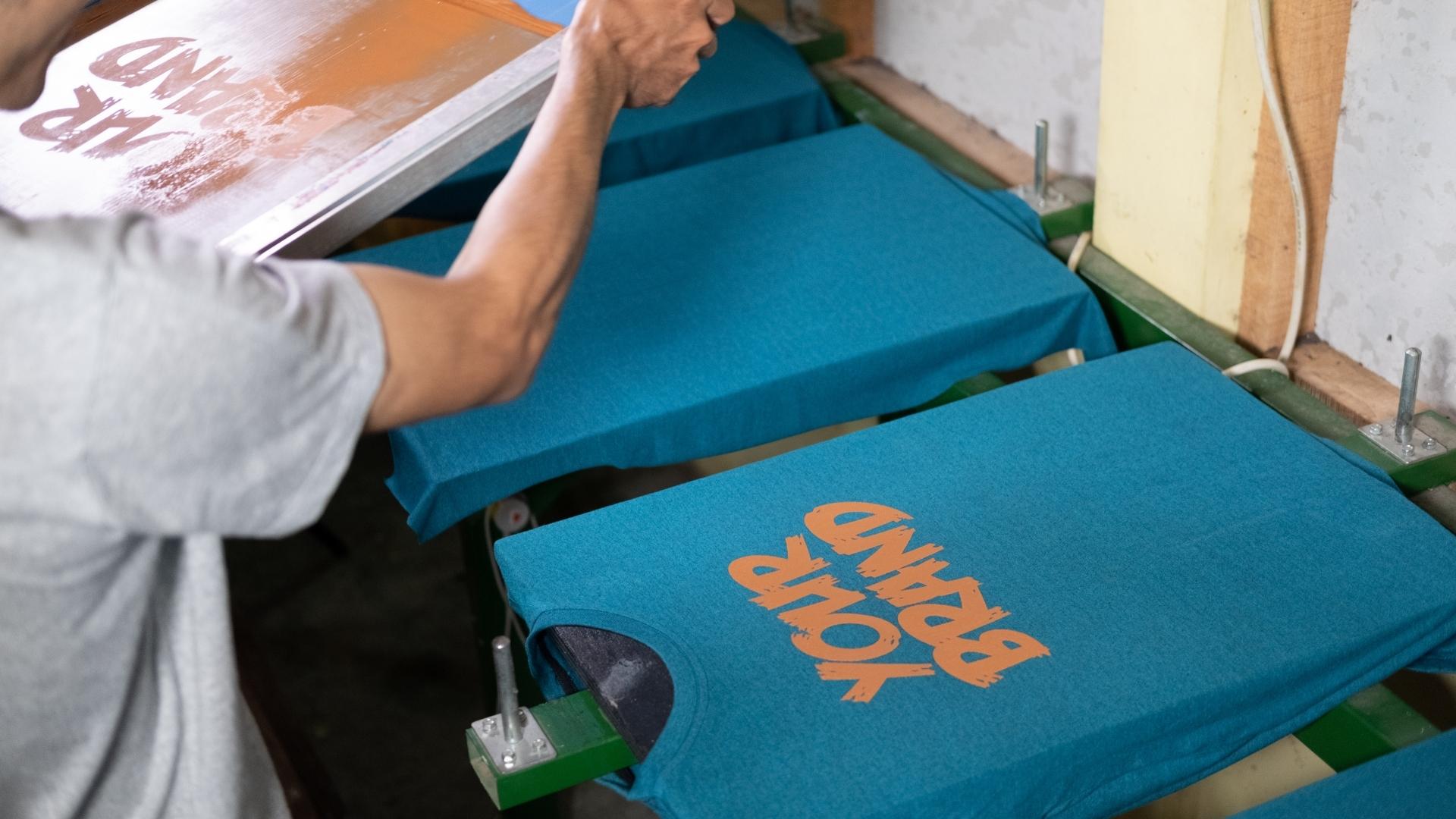
Although screen printing might appear complicated, it is basically a straightforward process that involves moving ink via a mesh screen onto different surface areas. The method begins with the development of a pattern, which defines the design to be published. This pattern is connected to a mesh screen, normally made from polyester or nylon. Once the pattern is in location, ink is related to the screen and pushed via the mesh utilizing a squeegee, leading to the desired pattern being published on the underlying product.
Screen printing can be carried out on a wide variety of substrates, consisting of material, paper, and plastic, making it a functional option for various tasks. The process permits for detailed designs and lively colors, making it prominent in sectors such as style, advertising, and art. Recognizing these fundamentals gears up people with the foundational expertise required to check out even more sophisticated techniques in screen printing.
Standard Screen Printing Techniques
Typical screen printing techniques have been used for centuries, maintaining the craftsmanship and creativity of this approach. This approach makes use of a mesh screen to transfer ink onto a substratum, such as textile or paper, enabling lasting and vivid designs. The procedure starts with developing a stencil, which obstructs certain areas of the screen to manage where the ink will certainly be used.
One prominent method is serigraphy, usually made use of for restricted editions and artistic prints. Another is the use of water-based inks, which are environmentally friendly and offer a soft feel on textiles - 10:9 Design Screen Printing. In addition, conventional techniques can include manual printing, where artisans use ink with a squeegee, making sure accuracy and attention to information
These strategies stay valued in the industry for their responsive top quality and the distinct textures they generate, attracting both creators and customers that appreciate the heritage of screen printing.
Digital Screen Printing Innovations
As the demand for faster manufacturing and personalization in the printing industry has actually surged, electronic screen printing advancements have actually arised as a game-changer. This modern technology mixes conventional screen printing approaches with digital processes, permitting for quick prototyping and intricate layouts that were previously tough to achieve. One substantial improvement is the intro of direct-to-garment (DTG) printing, which helps with top quality, full-color prints on different textiles without the need for screens. Furthermore, advancements in ink formulas have brought about environment-friendly options that preserve dynamic colors while lessening ecological impact. The usage of automated systems better enhances production, decreasing labor prices and enhancing precision. These advancements not just cater to little set orders and personalized styles however likewise enable for quicker turn-around times, making them excellent for companies concentrated on meeting consumer demands in a fast-paced market. Digital screen printing, consequently, represents an important evolution in the domain name of printing methods.
Specialty Screen Printing Methods
Discovering specialty screen printing techniques discloses a varied selection of methods that press the borders of creativity and functionality in the printing industry. Among these, glow-in-the-dark inks offer an unique aesthetic effect, making designs come active in low-light problems. Metallic inks, recognized for their sparkling surface, add a touch of luxury to printed products. Another innovative method is discharge printing, which gets rid of color from the fabric as opposed to adding ink, causing a soft, classic feeling. High-density printing creates a raised texture externally, boosting responsive interaction. Additionally, water-based inks are acquiring popularity for their vivid shades and minimized ecological effect. Each of these specialty techniques deals with certain style requirements, enabling brands and artists to create standout products that reverberate with their audiences. By leveraging these methods, businesses can elevate their screen printing tasks to new heights, making certain remarkable perceptions.
Eco-Friendly Screen Printing Options
Environment-friendly screen printing choices are gaining grip as the market changes in the direction of sustainability. Sustainable ink choices and using naturally degradable products are essential components in reducing the ecological impact of the printing procedure. By adopting these techniques, screen printers can contribute to an extra lasting future while maintaining high-grade results.
Lasting Ink Options

Biodegradable Materials Use
As the screen printing sector develops, the consolidation of naturally degradable materials is coming to be increasingly essential for environmentally mindful methods. Designers and makers are now exploring have a peek at this site inks and substratums made from all-natural, renewable energies that decompose a lot more effectively than standard counterparts. These biodegradable options lower plastic waste and minimize ecological effect, aligning with the growing demand for sustainable items.
Usual examples consist of water-based inks and organic cotton materials, both of which lessen harmful chemicals and advertise eco-friendliness. Brand names that embrace these materials often enhance their market charm, attracting customers who prioritize sustainability. As understanding of environmental problems remains to increase, the shift in the direction of eco-friendly products in screen printing is most likely to acquire momentum, promoting a greener sector requirement.
Picking the Right Strategy for Your Job
Exactly how can one figure out one of the most ideal screen printing strategy for a certain job? The choice pivots on numerous factors, consisting of the material to be published on, the intricacy of the style, and the preferred manufacturing quantity - 10:9 Design LLC Company. As an example, direct-to-garment printing is suitable for complex layouts with many colors, while typical screen printing excels for bigger runs of less complex graphics
Additionally, factor to consider of the end-use of the printed item is important. For outdoor applications, strategies that offer resilience and weather resistance, such as plastisol ink, may be favored. Alternatively, environmentally-conscious jobs may take advantage of biodegradable materials or water-based inks.
Ultimately, recognizing the task's special requirements enables an educated choice, making certain both visual charm and functional long life. By assessing layout complexity, product compatibility, and manufacturing scale, one can properly choose one of the most proper screen printing technique to meet their task's goals.
Regularly Asked Concerns
What Is the Background of Screen Printing?
Screen printing came from old China around 1000 AD, this website progressing through Japan and Europe. By the 20th century, it ended up being popular in industrial art and fashion, reinventing how designs were created and dispersed internationally.
Exactly how Do I Prepare Art Work for Screen Printing?
To prepare artwork for sign and banner printing screen printing, one need to assure high resolution, make use of an ideal shade mode, produce separate layers for every color, and transform message to lays out, ensuring compatibility with the printing process and desired result.
What Materials Are Best for Screen Printing?
The very best products for screen printing consist of high-grade inks, resilient screens, and suitable substratums like cotton, polyester, or blends. Furthermore, utilizing appropriate solution and squeegees can improve the printing process and results.
Can I Screen Publish in the house?
Yes, screen printing in your home is possible. With the right products, configuration, and techniques, people can produce premium prints. Nevertheless, careful factor to consider of work area and equipment is essential for effective outcomes.
What Prevail Mistakes in Screen Printing?
Typical blunders in screen printing consist of inappropriate direct exposure times, inadequate ink consistency, misalignment of screens, inadequate cleansing of products, and disregarding to test prints. These errors can compromise the quality and accuracy of the end product.
Screen printing might appear facility, it is essentially an uncomplicated process that involves moving ink via a mesh screen onto numerous surface areas. As the need for faster production and customization in the printing industry has actually risen, electronic screen printing technologies have actually arised as a game-changer. Discovering specialized screen printing techniques reveals a diverse variety of methods that push the boundaries of creativity and functionality in the printing sector. The finest materials for screen printing consist of high-grade inks, sturdy screens, and suitable substrates like cotton, polyester, or blends (10:9 Design Screen Printing Texas). Common errors in screen printing include inappropriate exposure times, inadequate ink uniformity, misalignment of screens, insufficient cleansing of materials, and overlooking to test prints
Comments on “ChatGPT said: 10:9 Design reviews: uncovering the strengths and weaknesses”